在上海北外灘這片融合歷史底蘊(yùn)與現(xiàn)代活力的核心區(qū)域,瑞閣北外灘項(xiàng)目(北外灘1926創(chuàng)意園)正推出一間特價(jià)寫字樓單位,為企業(yè)與創(chuàng)業(yè)者提供了一個(gè)極具性價(jià)比的優(yōu)質(zhì)辦公選擇。瑞閣興作為專業(yè)的服務(wù)方,誠(chéng)意推薦此房源,助您搶占商務(wù)先機(jī)。
核心區(qū)位,交通樞紐
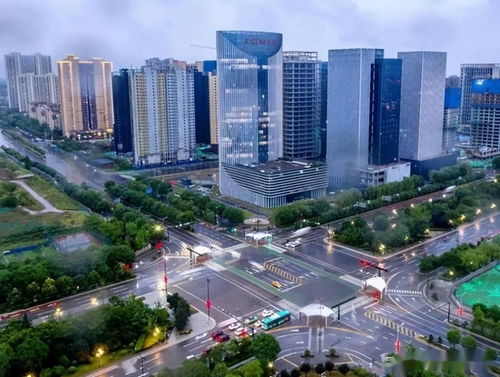
該寫字樓坐落于虹口區(qū)北外灘板塊,地理位置得天獨(dú)厚。其最大的亮點(diǎn)之一是緊鄰新建路隧道,駕車可快速直達(dá)浦東陸家嘴金融貿(mào)易區(qū),極大地縮短了浦江兩岸的通勤時(shí)間,為需要頻繁往來浦西浦東的商務(wù)人士提供了極大便利。項(xiàng)目周邊公交網(wǎng)絡(luò)密集,距離多條地鐵線路站點(diǎn)均在步行可達(dá)范圍內(nèi),立體化的交通網(wǎng)絡(luò)確保了員工通勤與客戶到訪的便捷高效。
歷史創(chuàng)意,現(xiàn)代空間
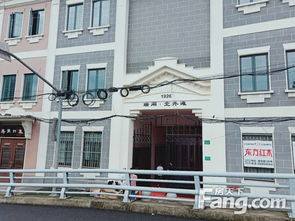
北外灘1926創(chuàng)意園本身由具有歷史風(fēng)貌的建筑改造而成,在保留原有建筑特色的注入了現(xiàn)代化的辦公設(shè)施與創(chuàng)意設(shè)計(jì)。此次出租的特價(jià)房,空間設(shè)計(jì)靈活實(shí)用,采光良好,既能滿足基礎(chǔ)辦公需求,也為企業(yè)展示個(gè)性與文化提供了可能。園區(qū)內(nèi)環(huán)境清幽,創(chuàng)意氛圍濃厚,相較于傳統(tǒng)甲級(jí)寫字樓,更能激發(fā)團(tuán)隊(duì)靈感,尤其適合文化傳媒、設(shè)計(jì)咨詢、科技創(chuàng)新、貿(mào)易服務(wù)等類型的企業(yè)入駐。
特價(jià)機(jī)遇,超高性價(jià)比
在當(dāng)下市場(chǎng)環(huán)境中,此房源以“特價(jià)”形式推出,意味著企業(yè)能夠以更經(jīng)濟(jì)的成本,入駐上海核心地段的優(yōu)質(zhì)園區(qū),實(shí)現(xiàn)顯著的租金成本優(yōu)化。這對(duì)于成長(zhǎng)型企業(yè)、初創(chuàng)團(tuán)隊(duì)或?qū)で髢?yōu)化辦公成本的公司而言,是一個(gè)不可多得的機(jī)遇。用有限的預(yù)算,獲取地段、交通、環(huán)境與配套的多重價(jià)值。
完善配套,商務(wù)無憂
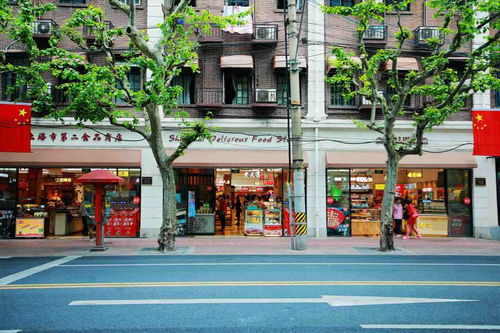
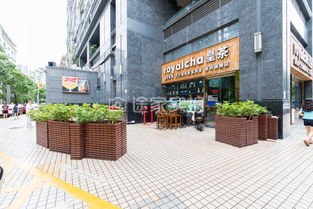
園區(qū)及周邊商務(wù)配套成熟,餐飲、便利店、銀行等生活服務(wù)設(shè)施一應(yīng)俱全。北外灘區(qū)域正在經(jīng)歷飛速發(fā)展與更新,坐擁濱江景觀,未來商業(yè)潛力巨大。在此辦公,不僅能享受眼前的便利,更能共享區(qū)域發(fā)展的長(zhǎng)遠(yuǎn)紅利。
通過房天下平臺(tái)與瑞閣興的專業(yè)服務(wù),客戶可以高效、透明地完成看房、洽談與租賃流程。如果您正在為團(tuán)隊(duì)尋找一個(gè)交通便利、富有特色且性價(jià)比出眾的辦公場(chǎng)所,這間北外灘1926創(chuàng)意園的特價(jià)寫字樓無疑值得您重點(diǎn)關(guān)注。立即行動(dòng),把握這份來自北外灘的商務(wù)厚禮。